Mitsubishi Returns Outlander PHEV to Philippine Market
Mitsubishi Motors Philippines Corporation has launched the redesigned 2027 Outlander PHEV in Manila, marking its first Southeast Asian market release.
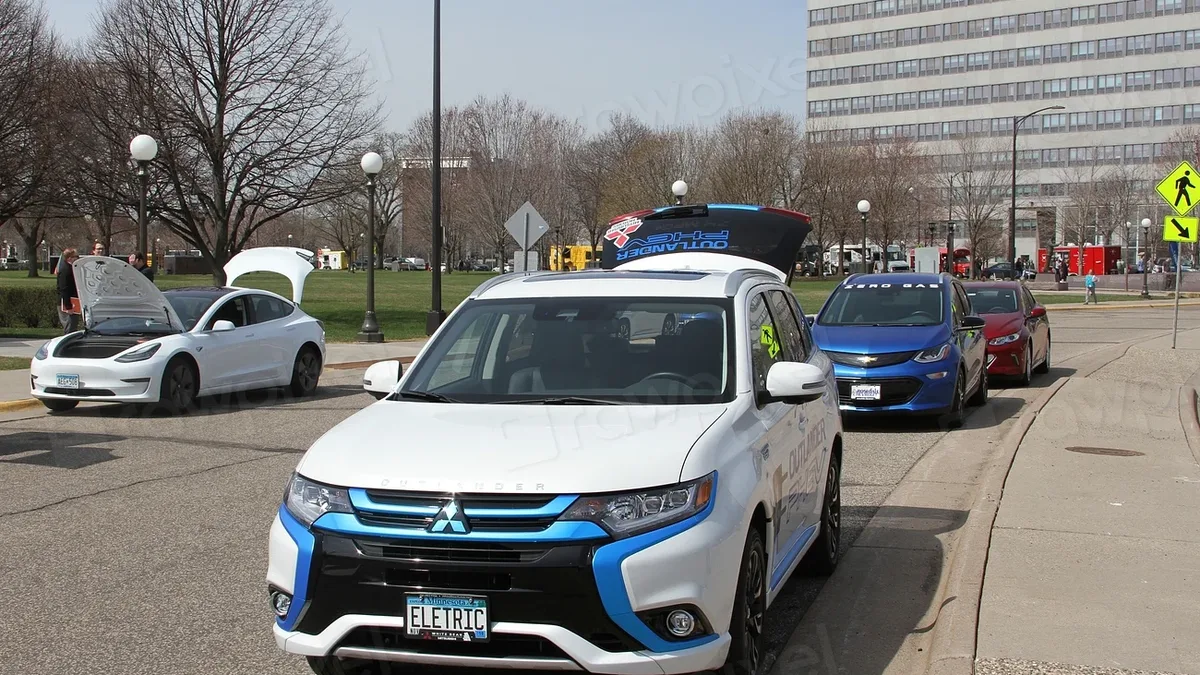
Mitsubishi Motors Philippines Corporation is relaunching the Outlander PHEV in the Philippine market after its initial attempt in September 2020 failed to gain traction due to pandemic conditions, lack of charging infrastructure, and a high price point of P2,998,000.
On August 20, the company introduced the redesigned 2027 Outlander PHEV, selecting Manila as the staging ground for its first market release in Southeast Asia.
The vehicle benefits from Republic Act 11697, the Electric Vehicle Industry Development Act, which provides privileges such as exemption from weekday number-coding schemes, discounted registration, and green plate access for electrified vehicles.
Despite these incentives, charging infrastructure remains sparse outside major expressways in central Luzon, making long-distance travel to provinces like Ilocos, Bicol, or via roll-on, roll-off ferries challenging due to limited high-speed DC chargers.
This patchy network is why Mitsubishi is emphasizing the plug-in hybrid approach over a pure battery-electric model, targeting drivers who want electric-only commuting in urban areas but retain gasoline flexibility for intercity travel.
The 2027 Outlander PHEV is imported as a completely built-up unit from Japan and offered in a single fully loaded specification: the GT 2.4G all-wheel drive.
An introductory retail price of P2,749,000 (approximately $44,000) applies to units reserved through September 30, after which the price increases to the standard suggested retail price of P2,848,000 (around $45,600).
This represents a reduction of roughly P150,000 compared to the P2,998,000 sticker price of the previous generation model that failed in 2020, despite the new model being significantly larger and more powerful.
Under the hood, the vehicle uses the Alliance CMF-CD platform shared with Nissan.
Propulsion comes from a 2.4-liter naturally aspirated four-cylinder MIVEC engine paired with two high-output electric motors on the front and rear axles, producing a combined output of 306 metric horsepower and 450 Newton-meters of torque.
Energy is stored in a 22.7-kilowatt-hour lithium-ion battery pack located under the floor, which Mitsubishi states is about double the capacity of the prior generation.
The automaker claims this setup enables up to 100 kilometers of pure electric range on a full charge, sufficient for daily suburban commutes on routes such as the South Luzon Expressway or Commonwealth Avenue from areas like Cavite, Laguna, or Bulacan.
Charging is conducted through a standard AC Type 2 connector, compatible with typical home wallboxes and commercial destination chargers.
When the battery depletes or during hard acceleration, the 2.4-liter gasoline engine activates, primarily functioning as an onboard generator to power the electric motors and recharge the pack in series hybrid mode.
At sustained highway speeds, a clutch engages to connect the combustion engine directly to the front axle for improved efficiency.
Mitsubishi estimates that a full tank of unleaded fuel combined with a fully charged battery provides a total range of nearly 1,000 kilometers before requiring refueling or recharging.
The chassis features Mitsubishi’s Super All-Wheel Control system, employing electronic yaw control and selective wheel braking to distribute torque across all four wheels.
A rotary dial on the center console allows selection of seven terrain modes, including settings for tarmac, gravel, mud, and snow.
Dash-mounted buttons enable the driver to lock the vehicle in pure EV mode, preserve battery charge, or activate engine-driven recharging while driving or idling.
Unlike some international variants, the Philippine-spec model omits the third-row jump seat, resulting in a two-row, five-passenger configuration with a deep cargo area suitable for luggage, groceries, or multiple golf bags.
The cabin includes twin 12.3-inch digital displays for the instrument cluster and infotainment system, supporting wireless Apple CarPlay and Android Auto.
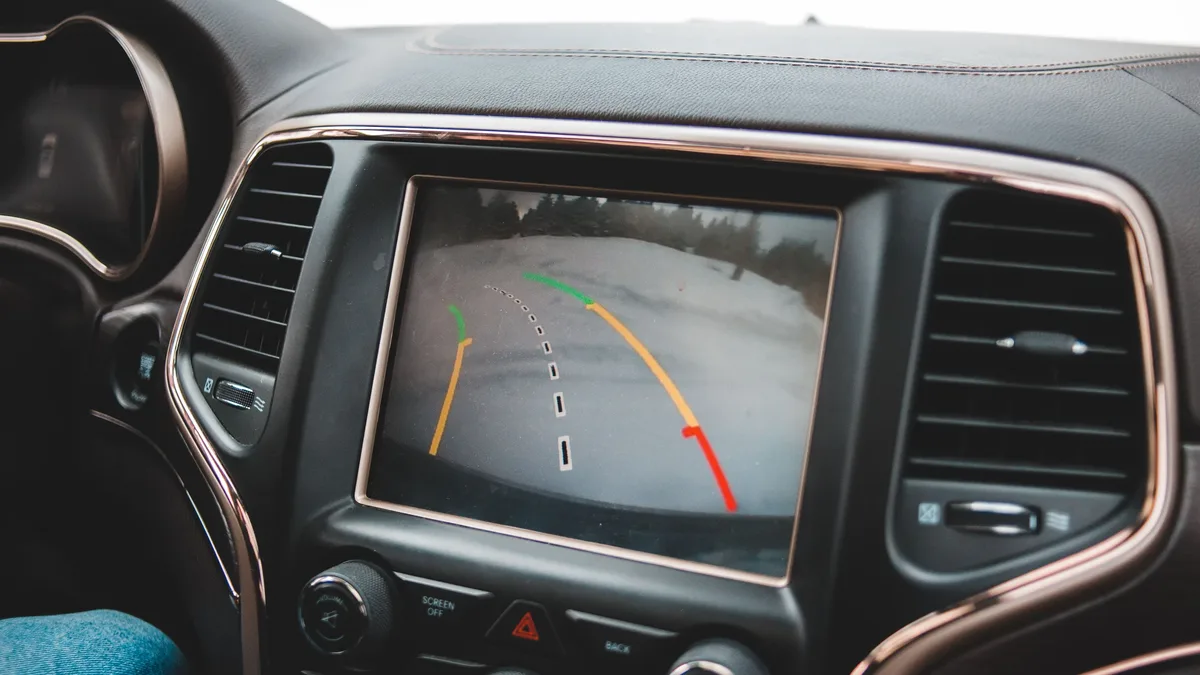
Audio is delivered by an eight-speaker Yamaha Dynamic Sound Premium system, complemented by a color head-up display, heated and ventilated front seats, and a digital camera-based rearview mirror.
Standard active safety features consist of autonomous emergency braking, blind spot warning, lane departure alerts, and rear cross-traffic radar.
Mitsubishi acknowledges the vehicle faces strong competition in the Philippine market.
Due to its importation from Japan, it does not qualify for zero-tariff benefits under ASEAN trade agreements, placing it at a disadvantage compared to locally assembled conventional hybrids like the Honda CR-V e:HEV and Toyota RAV4.
It also sits above more affordable Chinese plug-in hybrids such as the BYD Sealion 6 in pricing.
The company notes that while the Outlander PHEV reinforces Mitsubishi’s engineering image at the near P3-million level, the core of the Philippine market remains focused on affordable family vehicles.
Mitsubishi Motors Philippines Corporation is evaluating whether to introduce hybrid versions of the Xpander and Xforce, which are currently produced in regional assembly lines in Thailand.
For now, the Outlander PHEV serves as a high-end test case, offering a viable option for affluent buyers navigating high fuel costs and underdeveloped charging infrastructure while allowing Mitsubishi to reassess the viability of plug-in hybrid technology in the archipelago.