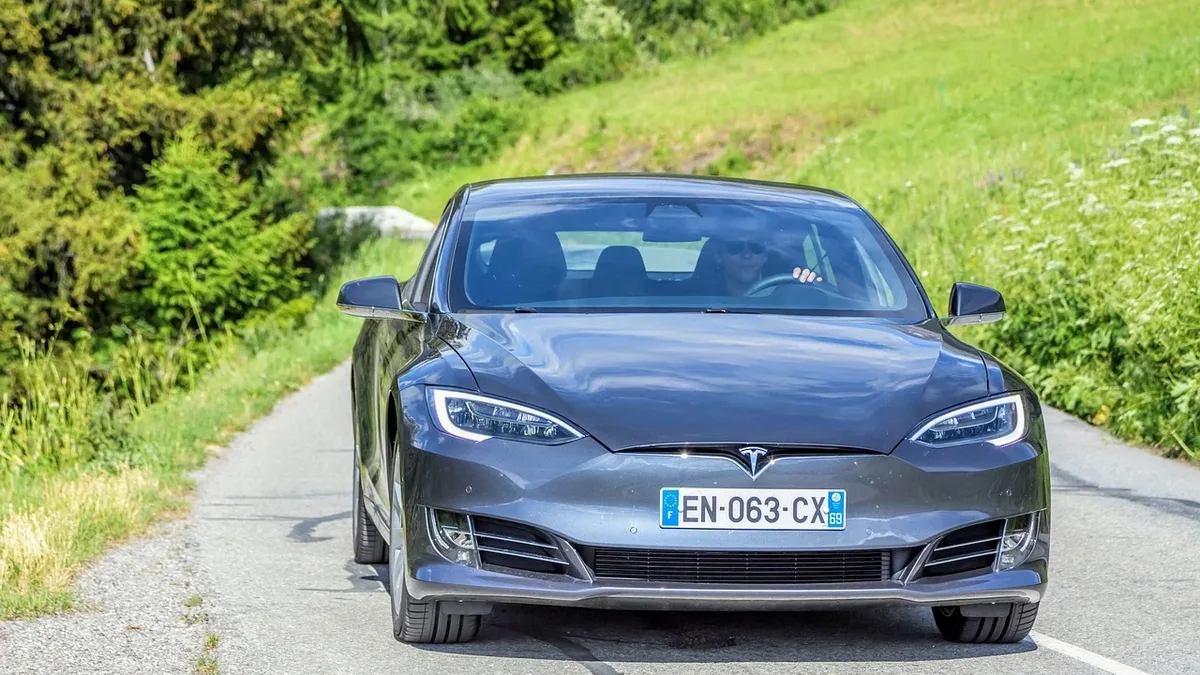
Tesla expands Assisted Driving to Latvia, Robotaxi service in Houston
Tesla's driver assistance system is approved in Latvia, its tenth European country, as the company also expands its unsupervised Robotaxi service area in Houston and adds new passenger features.
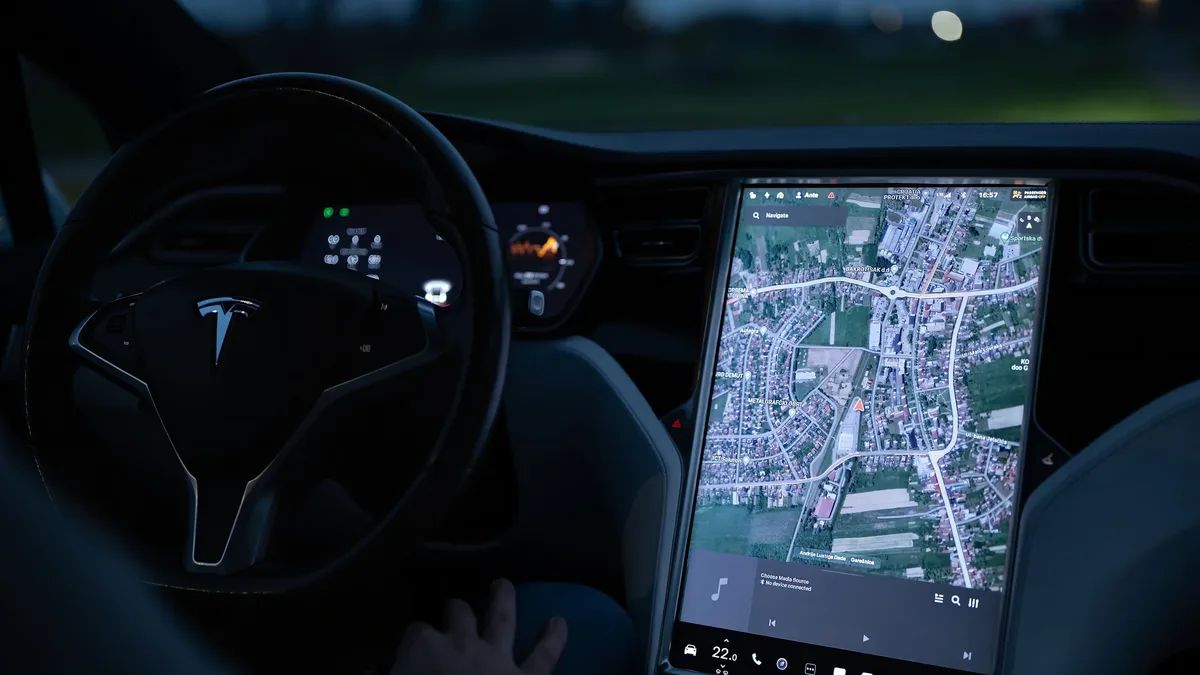
Tesla has expanded its Tesla Assisted Driving system to Latvia, the tenth European Union country to approve the supervised feature. The company also broadened its unsupervised Robotaxi service in Houston, Texas, introducing new passenger-facing features like a rear camera view and a quiet mode.
Latvia's Road Traffic Safety Directorate granted approval after reviewing documentation from the Netherlands' RDW authority, which issued the original provisional European type approval on April 10, 2026. The approval includes specific conditions for the Latvian market. CSDD mandated a lower maximum threshold for exceeding posted speed limits, stronger driver monitoring, and automatic resetting of any manual speed adjustments after each trip. The agency warned that snow, mud, and road salt could interfere with the system's operation. Drivers remain fully responsible for any traffic violations or accidents, with warnings against smartphone use or distraction. Tesla confirmed the approval in a post, stating, "Now approved in Latvia Rollout begins soon."
The system, marketed as Tesla Assisted Driving in Europe, is an SAE Level 2 driver assistance tool. It controls speed, steering, braking, lane changes, and navigates intersections while following a route. Drivers must continuously monitor the road and be prepared to intervene immediately, though they are not required to keep hands on the wheel at all times. Tesla launched vehicle sales in Latvia in July with a pop-up store in Riga.
Tesla expands Robotaxi service in Houston with new features
In the United States, Tesla has significantly expanded the Robotaxi geofence in Houston. The service area now stretches southeast toward Bellair and central Houston, growing from an initial zone of about 25 square miles. The service, which launched on April 18, 2026, alongside Dallas, was Tesla's first unsupervised public expansion beyond Austin. Initial vehicles were Model Ys operating without front-seat occupants, booked via a public app.
Dozens to nearly 200 of Tesla's purpose-built Cybercabs have been spotted staging and testing in Houston lots, though public rides in these steering-wheel-free two-seaters remain limited to Austin for now. For passengers, Tesla has rolled out software updates introducing new features. Riders in Austin can now access a live rear camera view, a feature requested by users that allows them to see behind the vehicle. A quiet mode, introduced a day earlier, lets passengers darken the screen to relax or sleep without a bright display. Tesla UI software engineer Evan explained that the feature allows tapping to see more cameras and swiping to hide or show the feed.
Grok Bot is now enabled across every Cybercab and the Model Y Robotaxi fleet after Tesla integrated the agent into its cars in September 2026. The expansion follows Tesla’s pattern of starting with tightly controlled validation zones before widening coverage as real-world data accumulates. Waymo also operates a fully driverless service in Houston, open to the public since August 2026.
Broader rollout across the U.S. and Europe
Unsupervised Robotaxi services now operate in six U.S. cities: Austin, Dallas, Houston, Miami, Orlando, and Tampa. Tesla has reported cumulative driverless miles in the several millions. Cybercabs entered public service in Austin in early September 2026 and scaled rapidly. The fleet was highly visible during Austin’s Formula 1 Grand Prix weekend, with 1,250 sightings counted on qualifying day. Dallas is next for Cybercab rides in November 2026, with further cities and 24/7 operations targeted by year-end.
In Europe, Latvia's approval is part of a sequence of national recognitions of the Dutch provisional type approval. The pattern of approvals across member states is as follows:
| Country | Approval Date |
|---|---|
| Netherlands | April 10, 2026 |
| Lithuania | May 20, 2026 |
| Estonia | May 29, 2026 |
| Denmark | June 9, 2026 |
| Belgium | June 10, 2026 |
| Slovenia | September 7, 2026 |
| Czechia | September 21, 2026 |
| Croatia | September 29, 2026 |
| Slovakia | October 16, 2026 |
| Latvia | October 2026 |
Most EU countries rely on mutual recognition rather than independent national testing. An EU-wide decision requires a qualified majority vote from member states. Larger markets like Germany, France, and Italy remain under review, with a vote expected in December 2026. Tesla aims to deliver Cybercabs to customers before the end of 2026.