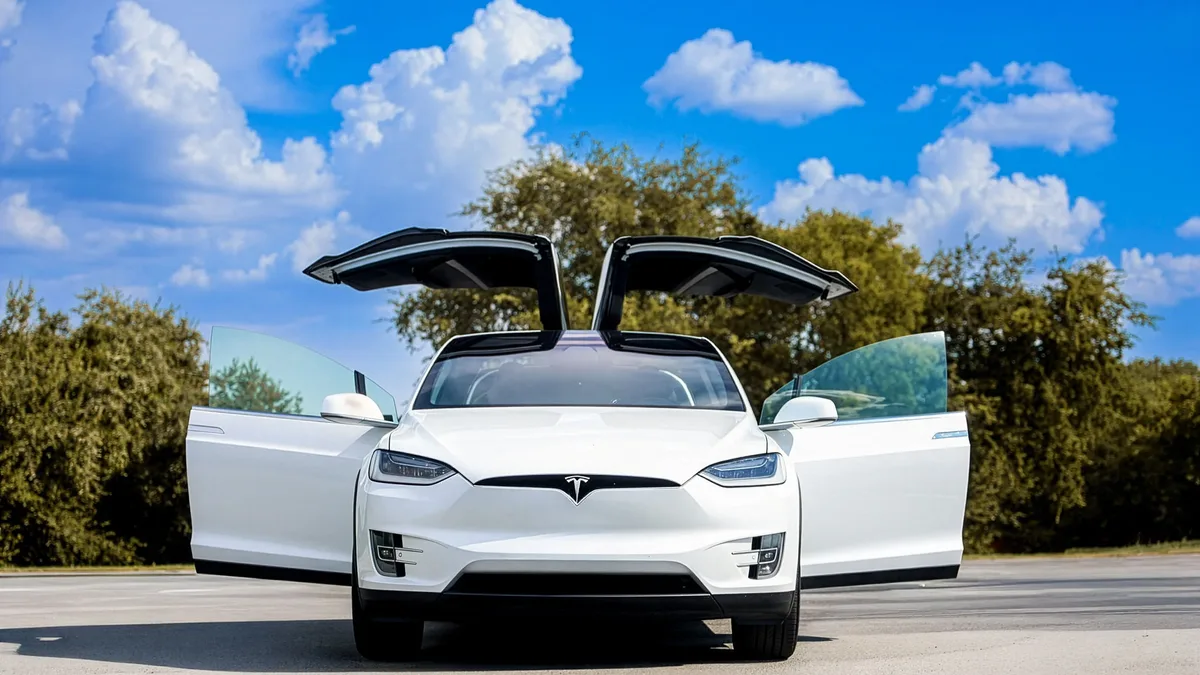
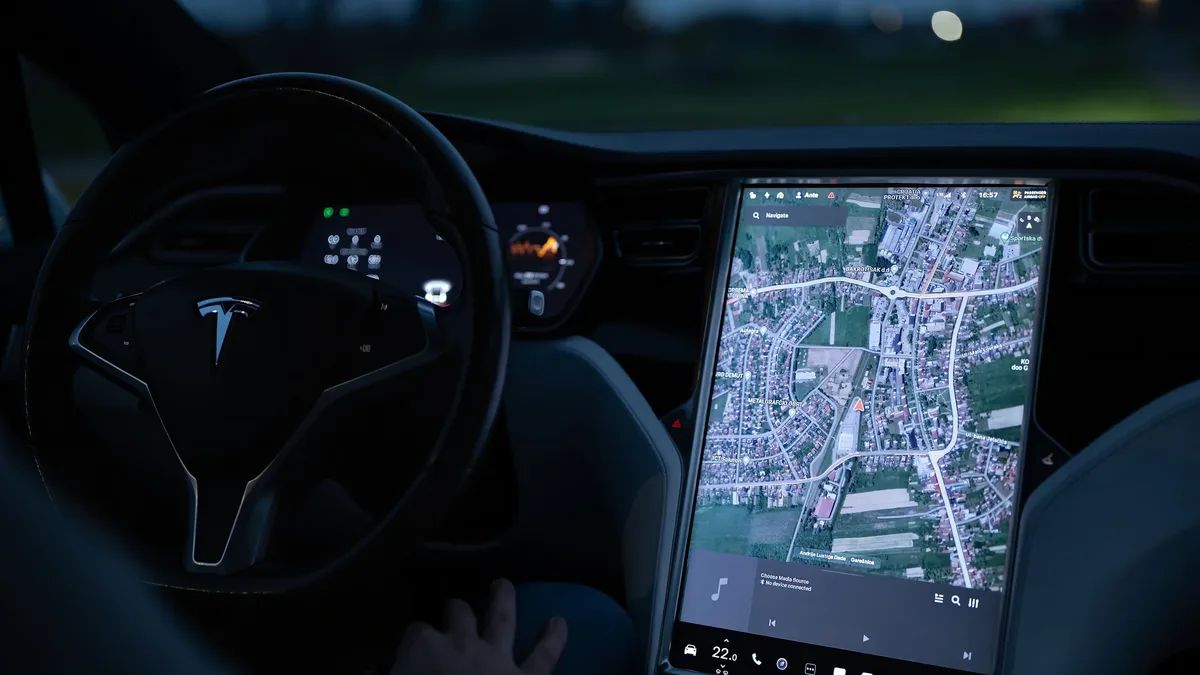
Tesla Expands Houston Robotaxi Service Area Tenfold
Tesla increased its Houston Robotaxi service area from 25 to 254 square miles on October 26, 2026, using a rocket-shaped geofence boundary.
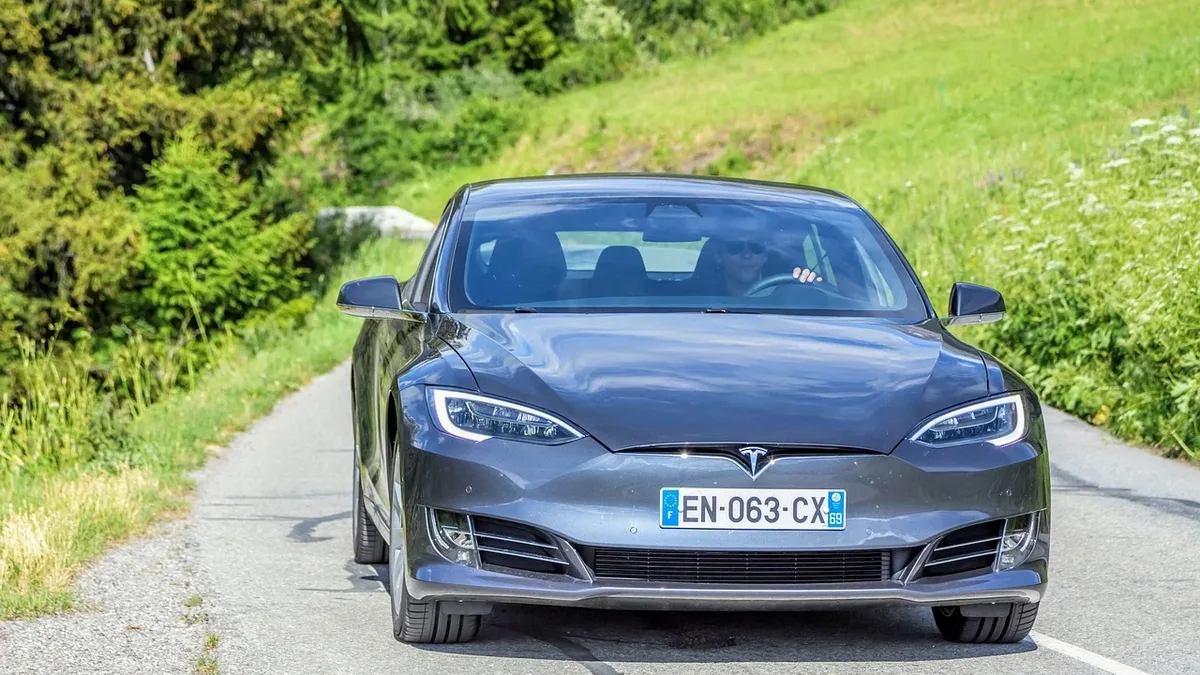
Tesla dramatically expanded its Houston Robotaxi service area from 25 to 254 square miles on October 26, 2026. The move represents a tenfold increase in the driverless ride-hailing zone, signaling a major step in scaling the technology beyond suburban pilot areas.
Geofence Shape and Urban Coverage
The expanded service area features a rocket-shaped boundary, echoing SpaceX's branding. This new geofence now encompasses downtown Houston, Bellaire, the Heights, Montrose, Midtown, and East Downtown. The original, smaller zone was centered on Jersey Village and northwest Houston corridors. This shift moves the service from a limited suburban test toward practical urban usability for everyday trips.
The Houston expansion is the first notable boundary change since the service launched there on April 18, 2026. That launch marked Tesla's first unsupervised public expansion beyond its initial Austin testbed. The company announced the update with the phrases "Houston, we have liftoff" and "Bigger service area now live" on its official Robotaxi account on X.
Service Model and Vehicle Deployment
The Houston service uses driverless Model Y vehicles, operating without in-vehicle safety supervisors. Rides are booked through the dedicated Tesla Robotaxi app and are only available inside the digital geofence. Tesla has not stated whether different operating rules apply in the new urban areas, nor has it confirmed specific pricing or fleet size for the expanded zone.
From January to October 2026, Tesla Robotaxis logged 225,964 miles in Houston. The expansion follows Tesla's pattern of opening a bounded area and then widening it via social media announcement, reflecting a speed-first deployment strategy.
Scaling Ambitions and Production Bottlenecks
Tesla's unsupervised Robotaxi services now operate in six U.S. cities: Austin, Dallas, Houston, Miami, Orlando, and Tampa. The company is accelerating the rollout of its purpose-built Cybercab. That vehicle entered public service in Austin in early September 2026 and has scaled rapidly there.
Cybercab production is currently outpacing deployment capacity. The manufacturing line is 78% automated, with a goal of producing one finished vehicle every 10 seconds. This translates to an annual capacity exceeding 125,000 units. The Cybercab uses an 88S6P pack of 4680 cells and is designed to last at least 500,000 miles. Its battery received an A minus rating from Tesla’s battery director, a higher grade than those given to the Model Y and Cybertruck packs.
Tesla aims to launch Cybercab rides in Dallas next month and expand to further cities with 24/7 operations by the end of 2026.