Performance
| Model | Tesla Model S Performance |
|---|---|
| Country of origin | United States |
| First created | 2012 |
| Original use | High-performance luxury electric sedan |
| Drive type | Dual motor all-wheel drive |
| Acceleration (0-60 mph) | Under 3.0 seconds |
| Top speed | Over 155 mph |
| Range (EPA est.) | Over 350 miles |
| Charging network | Tesla Supercharger |
Origin and history
The concept of a high-performance variant within an electric vehicle model line originated in the early 21st century, primarily from automotive manufacturers in North America and Europe. These Performance trims were developed as electric powertrain technology advanced beyond early adoption phases focused solely on range. The creation of dedicated Performance models was a direct response to the inherent characteristics of electric motors, which provide immediate torque. This engineering focus shifted the perception of electric vehicles from purely efficient transportation to include dynamic driving capability. The trend was firmly established by the 2010s as a key segment strategy for many brands. It represents a deliberate application of electric drivetrain advantages to the traditional automotive performance market.
What it is designed for
The Performance model is engineered for maximized acceleration, sharper handling, and higher top speed compared to the standard versions of the same electric vehicle. Its design prioritizes transient response and lateral dynamics over maximum energy efficiency or cabin space optimization. The vehicle's tuning aims to deliver a driving experience that rivals or exceeds that of internal combustion engine performance cars. Key systems including the powertrain, suspension, brakes, and cooling are specifically upgraded for sustained high-output operation. Aerodynamic elements are often adjusted to increase downforce or reduce drag at higher speeds. The design intentionally sacrifices some range and ride comfort to achieve its dynamic objectives, targeting driving enthusiasts.
Development and versions
Performance variants typically follow the release of a standard model, serving as a halo or range-topping option. Development involves extensive modifications to the base vehicle's dual-motor or tri-motor powertrain, often through revised power electronics and motor windings that allow for higher current flow. Engineers pair this with upgraded suspension components, larger brake systems with high-friction pads, and specific stability control programming. Wheel and tire packages are wider and stickier, contributing significantly to grip and handling feel. Some manufacturers release iterative versions, such as "Track" packages, with further weight reduction and enhanced cooling for circuit use. Over a model's lifecycle, Performance editions may receive power increases via over-the-air software updates, reflecting ongoing software optimization.
Performance range
The operational envelope of a Performance model is defined by a tension between extreme output and energy consumption. Real-world range is invariably lower than that of the standard all-wheel-drive variant of the same model, sometimes significantly, due to the higher-power motors, stickier tires, and less efficient driving patterns. High-speed cruising and repeated hard acceleration deplete the battery at a notably faster rate. The vehicle's range estimate can fluctuate dramatically based on driving style, making it less predictable than a standard EV. Performance-oriented driving in such a vehicle often necessitates more frequent charging stops on long journeys.
Overview
A Performance model is the apex dynamic expression of an electric vehicle platform, repurposing its fundamental architecture for sportiness. It integrates a suite of hardware and software changes that collectively transform the driving character. The experience is marked by instantaneous throttle response, tenacious cornering grip, and firm ride quality. Externally, it is frequently distinguished by unique wheels, brake calipers, subtle badging, and sometimes more aggressive aerodynamic bodywork. Inside, supportive seats and specific drive mode selectors are common. It exists as a distinct trim level, commanding a substantial price premium over the standard model, justified by the comprehensive engineering revisions and component upgrades.
What to know
Prospective owners should understand that the Performance trim's capabilities are deeply intertwined with its compatible charging network. The vehicle's higher energy consumption rate makes efficient, high-power charging infrastructure more critical, especially for long-distance travel. Using the full performance potential generates substantial heat, which can affect battery temperature management and subsequent charging speeds. The low-profile, high-grip tires wear more quickly and are more susceptible to damage from potholes, while also contributing to increased road noise. Insurance costs are typically higher than for the standard model due to the increased power and repair costs. Resale value can be volatile, often depreciating more steeply than the standard variant, though limited-run versions may be exceptions.
Common questions
A frequent question is whether the Performance model's range is sufficient for daily use, to which the answer is typically yes, provided nightly charging is available and long commutes are not excessive. Many ask if the firmer ride quality is tolerable for regular road driving, which is subjective but often cited as a compromise for those accustomed to luxury sedans or SUVs. Enquirers commonly want to know if the performance upgrades void the standard battery or drivetrain warranty, which they generally do not, unless aftermarket modifications are made. Questions arise about the necessity of the upgraded brake system given regenerative braking's strength; the physical brakes are crucial for repeated high-speed deceleration and emergency stops. People often inquire if the Performance software upgrades can be purchased later for a standard model, which is rarely possible due to the extensive accompanying hardware changes.
Pros and cons
Pros include transformative acceleration that remains consistently accessible, superior cornering stability and grip, and a high level of driver engagement for an electric vehicle. The integrated engineering package is typically well-balanced, with brakes and suspension calibrated to match the powertrain's power. It often grants access to exclusive features like track mode software or advanced launch control systems. Cons involve a tangible reduction in real-world driving range and the associated increase in energy costs per mile. The ride quality is often punishing on imperfect urban roads, leading to owner fatigue. A common regret is from buyers who underestimated the impact of the harsh ride and tire noise on daily comfort, or who rarely utilize the performance capabilities, making the cost premium difficult to justify. The common mistake is selecting the Performance model for its prestige or acceleration figures alone, without experiencing the full driving compromise on familiar roads.
Who it suits
This model suits driving enthusiasts who prioritize dynamic performance and are willing to trade comfort and efficiency for that experience. It is appropriate for owners with convenient access to home charging, as the increased energy consumption makes frequent top-ups more necessary. It fits individuals who occasionally participate in track days or spirited driving on suitable roads, where its capabilities can be fully exploited. The vehicle is a poor match for those primarily seeking maximum range, a plush ride, or the lowest operating cost from their electric vehicle. It is also ill-suited for drivers who cover very long distances frequently without reliable access to high-power charging networks, as the reduced range and high-speed consumption become significant logistical hurdles.
Latest Performance news
Latest reporting
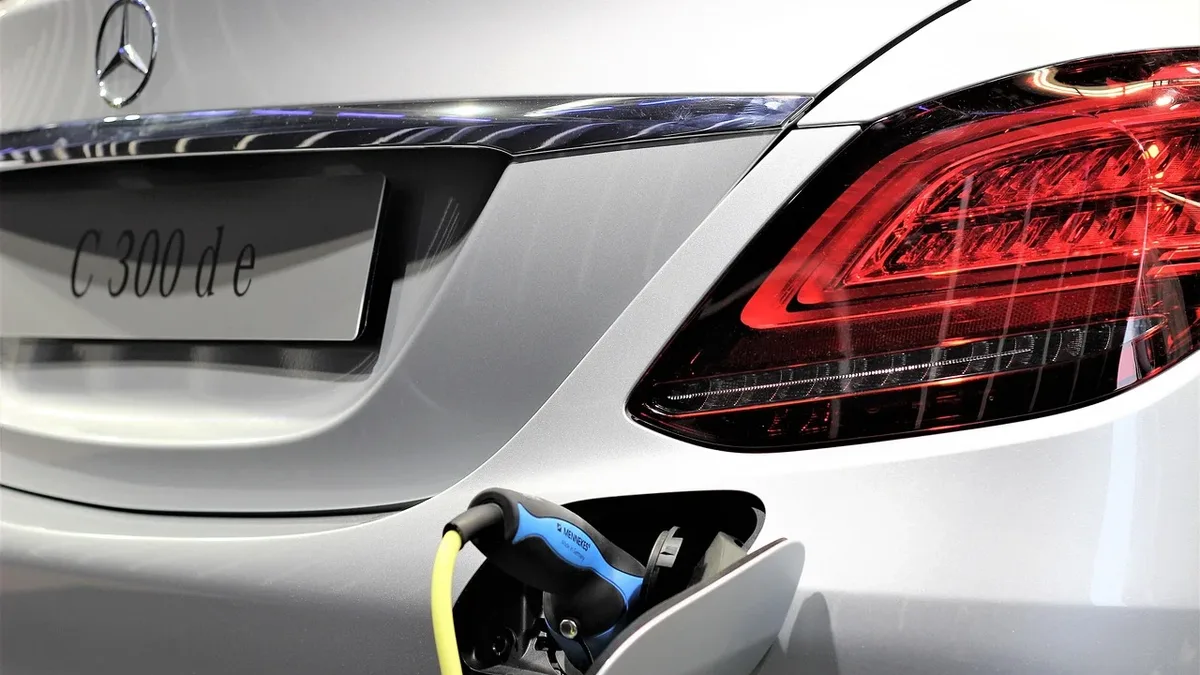
2027 Mercedes CLA Electric Fast-Charging Test Results
Independent testing of the 2027 Mercedes-Benz CLA 350 4MATIC Electric shows its DC fast-charging performance on Electrify America and Ionna networks
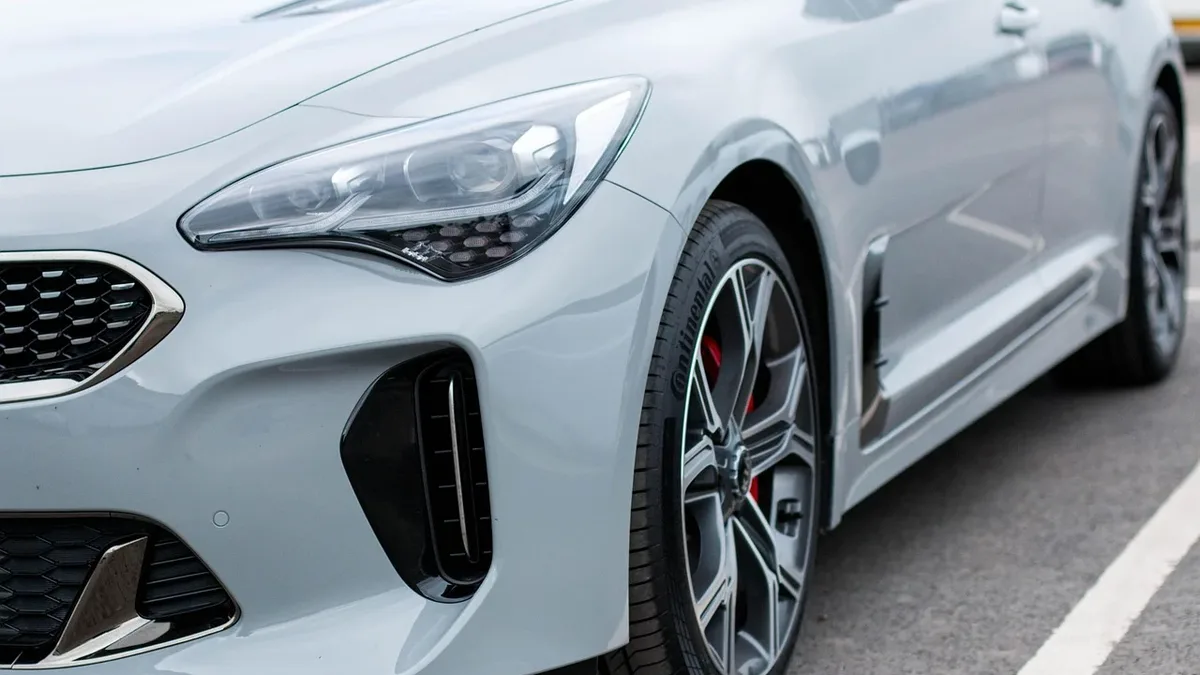
Kia launches EV3, EV4, and EV5 GT
Kia has expanded its electric GT lineup with performance versions of the EV3, EV4, and EV5, now on sale in Europe with dual-motor AWD, unique design...
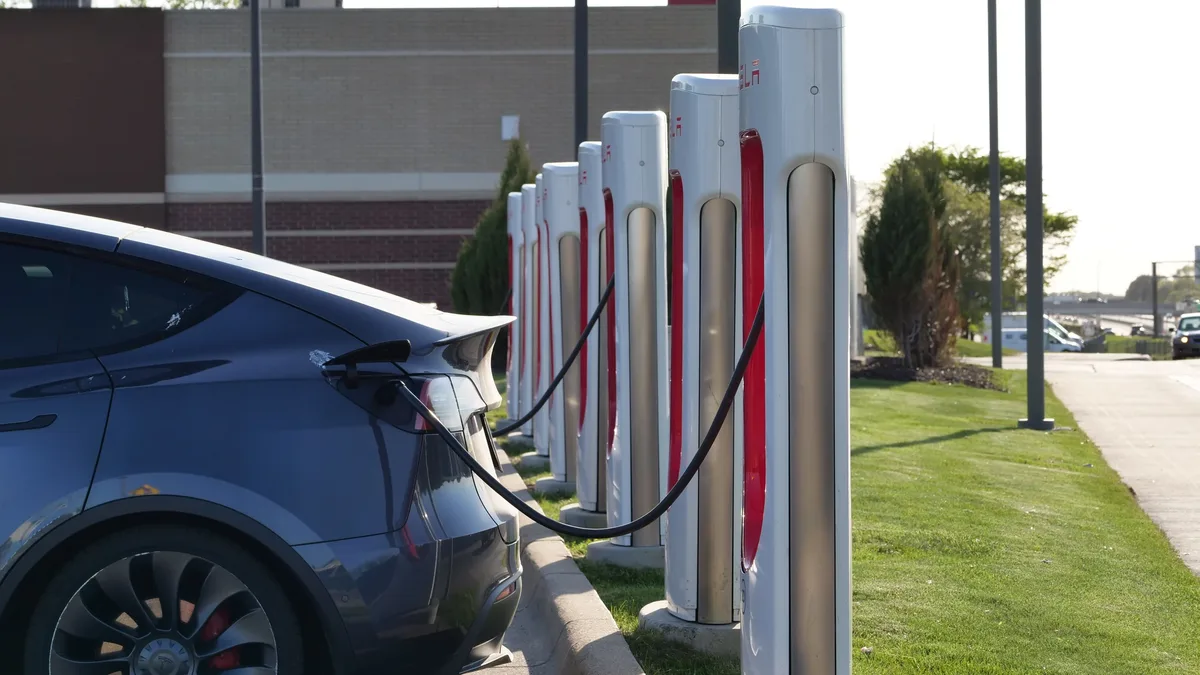
Tesla Model Y 2026 Pricing Breakdown
The 2026 Tesla Model Y starts at $41,630 MSRP for the RWD trim, with higher-trim options reaching $63,630 including fees. The lineup offers 5-, 6-...

LiuGong's 924FE Electric Excavator to Debut in America
LiuGong's 924FE 30-ton electric excavator is set to arrive in North America, boasting improved performance and reduced operating costs compared to...