Tesla Model Y Leads Record EV Sales in Australia
In August 2026, electric vehicles outsold internal combustion engine vehicles in Australia for the first time, with plug-in vehicles capturing over 35% of
Electric vehicles outsold petrol, diesel, and hybrid vehicles in Australia for the first time in August 2026. According to data cited by CleanTechnica, plug-in vehicles represented over 35% of all new car sales for the month.
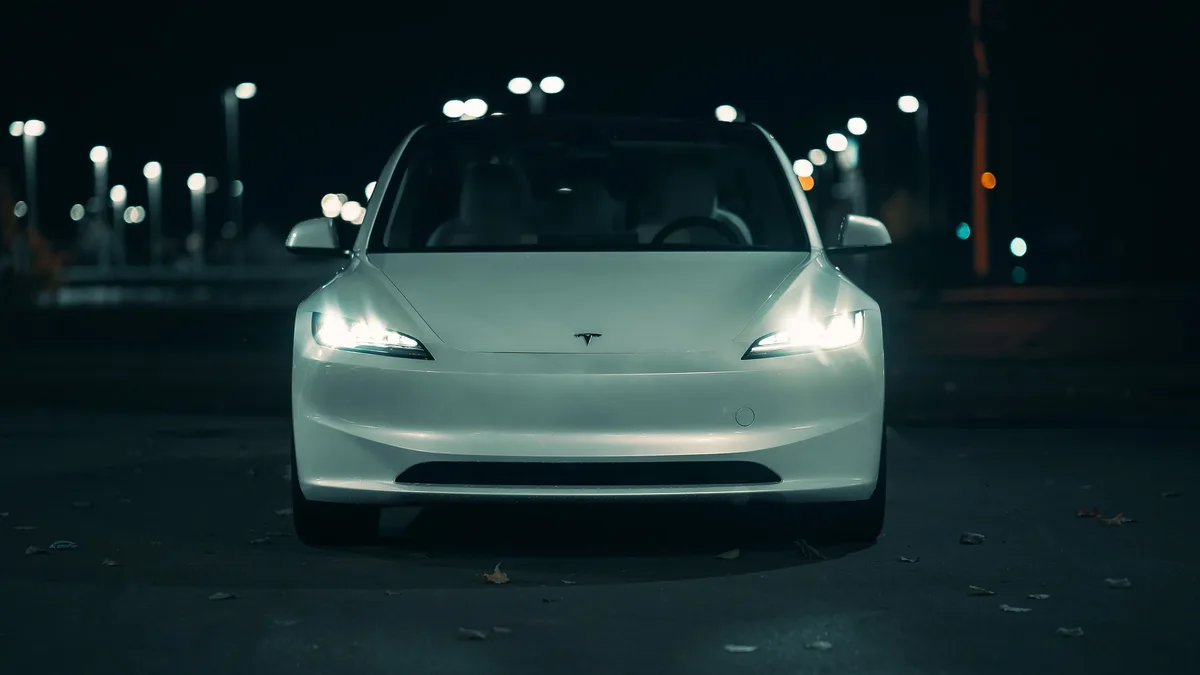
Elon Musk congratulated Tesla Australia on the social media platform X after the company posted about the milestone. Tesla's Model Y was the single best-selling vehicle in the country, and Tesla was the third best-selling brand overall for August.
Market Share Milestone
Out of 109,000 total vehicles sold in Australia during August, 27,000 were battery electric vehicles. This figure represents a 170% increase compared to the same month the previous year. An additional 10,591 plug-in hybrid electric vehicles were sold.
Mainstream media outlets like SBS and CarExpert reported on the shift. CarExpert noted that petrol vehicles followed with 25,824 deliveries, diesel with 23,608, and hybrids with 18,662.
Top Selling Vehicles
The top ten best-selling vehicles of any powertrain in Australia for August 2026 were dominated by three battery electric models. The Tesla Model Y led the list.
| Vehicle Model | August Sales |
|---|---|
| Tesla Model Y | 6,414 |
| Toyota RAV4 | 5,470 |
| Toyota HiLux | 4,833 |
| Toyota Prado | 2,475 |
| Ford Ranger | 2,440 |
| BYD Sealion 7 | 2,213 |
| Chery Tiggo 4 | 2,012 |
| GWM Haval Jolion | 1,891 |
| Zeekr 7X | 1,748 |
| Isuzu D Max | 1,708 |
According to the source, every Chinese brand in the top ten, along with Tesla, saw year-on-year sales growth. All other brands reportedly declined.
Leading Electric Models
The list of top-selling battery electric vehicles shows a market led by Tesla and Chinese manufacturers. Japanese and European models ranked much lower.
| Battery Electric Vehicle | August Sales | Year-to-Date Sales |
|---|---|---|
| Tesla Model Y | 6,414 | 31,454 |
| BYD Sealion 7 | 2,213 | 17,277 |
| Geely EX5 | 1,947 | 10,737 |
| Zeekr 7X | 1,748 | 9,172 |
| Omoda Jaecoo J5 | 1,672 | 8,910 |
| Geely EX2 | 1,279 | 1,753 |
| Tesla Model 3 | 1,271 | 4,597 |
| BYD Atto 2 | 1,122 | 7,737 |
| Kia EV5 | 612 | 4,213 |
| Kia EV3 | 515 | 3,977 |
The Toyota bZ4X sold just over 400 units, placing it around 15th. The Mazda 6e sold 382 units. The best-performing European model was the Volkswagen ID.4 at number 20.
In the battle of brands, BYD held the top spot for EV sales, leading Tesla by approximately 3,000 cars year-to-date. Geely, Zeekr, and Kia followed.
Charging and Consumer Sentiment
The report addresses common concerns about charging infrastructure. The author's "lived experience" is that the network is performing well, contradicting statements from the Federal Chamber of Automotive Industries. Readers are directed to Open Charge Map for data.
A survey by the NRMA in New South Wales found only 17% of respondents would not consider buying an EV. The primary driver for adoption is now cost, not environmental concerns, with electricity priced at 34 cents per kilowatt-hour compared to petrol at $2.50 per litre. Major consumer worries reportedly center on battery longevity and end-of-life disposal.
Politicians are crediting the New Vehicle Efficiency Standard for the market shift. The CleanTechnica author attributes the growth to value-for-money Chinese vehicles and insecurity over fossil fuel supplies, despite ongoing media misinformation campaigns.
The article concludes by asking if Australia can reach 40% EV penetration by Christmas, citing record solar and battery deployment alongside affordable, tech-packed cars.