Tesla Cybercab Launches As Robotaxi Rivals Expand
Tesla officially launched its steering wheel-free Cybercab robotaxi, entering a competitive field where rivals like Waymo, Zoox, and a new Uber-Wayve
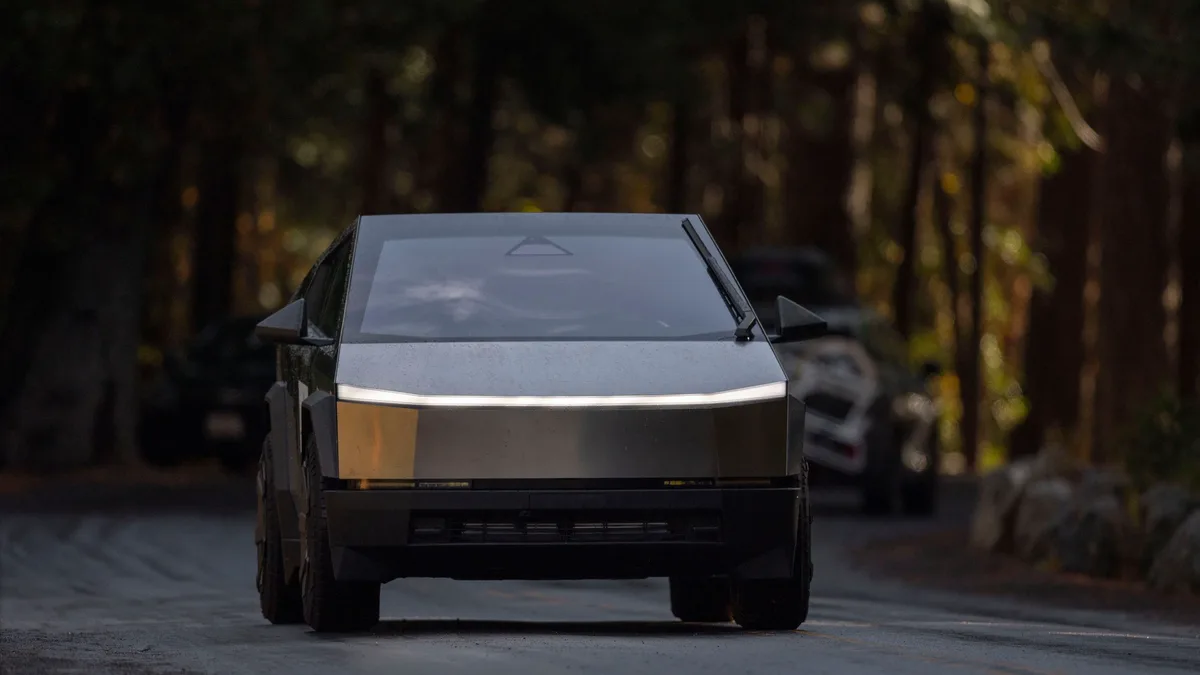
Tesla officially launched its Cybercab robotaxi at a private event in Austin on Thursday. The two-seat vehicle, built from the ground up to be autonomous, lacks a steering wheel, pedals, and mirrors.
Influencers took some of the first quasi-public rides that day, with rides opening to the broader public on Friday. The Cybercab provides another option for Tesla's Robotaxi service, which already uses driverless Model Ys. CEO Elon Musk has staked the company's future on autonomous vehicles, promising a self-driving future for over a decade.
The Competitive Landscape Heats Up
While Tesla celebrates its launch, competitors in the robotaxi space have been actively expanding. This week alone saw significant moves from several key players.
Amazon-owned Zoox began paid rides in Las Vegas last month and offers free trips in San Francisco. This week, it announced expanded testing in Houston and San Diego. Zoox also became the first autonomous provider to start driving to and from the Las Vegas airport, a lucrative but chaotic environment.
On Thursday, Uber and its autonomous-tech partner Wayve launched what they call the UK's first autonomous rides. Initially, sensor-equipped Ford Mustang Mach-Es will operate with a safety driver monitoring the system. The partnership plans to deploy autonomous vehicles on the Uber app in 12 markets, with Tokyo coming online later this year.
Waymo's Dominant Footprint
Waymo, described as America's autonomous-vehicle leader, announced the start of driverless rides in three more cities this week: San Diego, Tampa, and Denver. The Denver expansion will introduce a new challenge: operating in snow.
This news brings Waymo's operational footprint to 14 U.S. cities, the most of any robotaxi operator. The company operates over 4,000 driverless Jaguars and Zeekr vans across the country, logging roughly 500,000 rides per week.
Tesla's Strategy and Scale
Tesla is betting on a different technological approach. It aims to compete through vertical integration and a cheaper, camera-only self-driving system that avoids the lidar and radar sensors used by practically all its competitors.
Whether this approach can scale broadly remains unclear in these early stages. Tesla has registered 420 autonomous vehicles with the DMV in Texas, where most of its robotaxi operations are based. This total includes 45 Cybercabs. The number of vehicles actually in service at any given time is not known.
The report from InsideEVs notes many other players are also vying for market share, including Motional, Lyft, MOIA, Mobileye, May Mobility, and AVRide. If Tesla's gamble pays off, its cost structure could let it undercut rivals like Uber and Waymo. If it fails or is too slow, the company risks watching others seize the self-driving future Musk has long envisioned.