Tesla surveys Cybercab riders for comfort
Tesla is asking early Cybercab passengers in Austin for feedback on their ride experience, seeking star ratings and suggestions for new features like
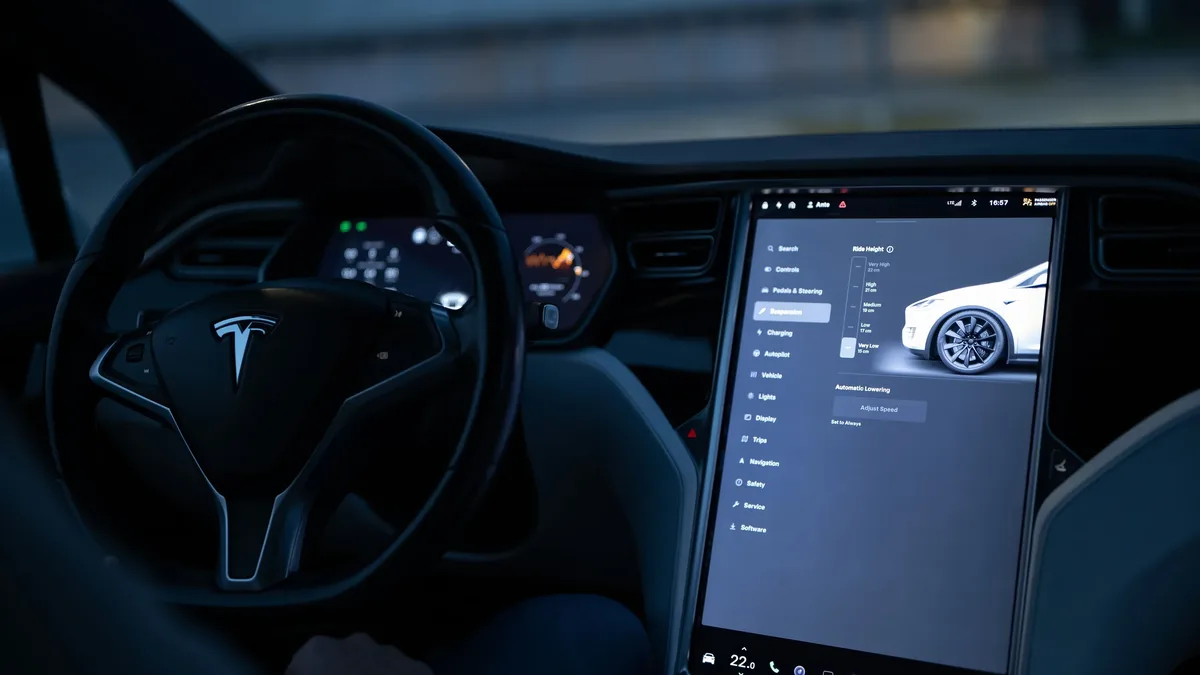
Tesla has begun surveying passengers of its new Cybercab robotaxi in Austin, seeking feedback on the ride experience only days after paid service launched. The company's questionnaire asks riders to rate various aspects of their trip and suggest improvements.
Tesla sent a rider experience survey to Cybercab passengers shortly after commercial rides began in Austin. The survey asks how satisfied riders were with the overall trip and requests star ratings for specific elements.
These elements include availability and wait time, door functionality, the vehicle touchscreen, the mobile app experience, seat comfort, interior space, ride comfort, cleanliness, and cargo space.
A later section asks which features riders would most like to have, allowing selection of up to three items from a provided list. The list includes:
Respondents may also choose none of these options or write in their own idea. The survey concludes by asking for a recommendation score from zero to ten.
Rapid feedback for a purpose-built taxi
This rapid request for input illustrates Tesla's approach of treating early users as collaborators. The company has a history of refining its passenger vehicles through software updates and hardware changes informed by real-world use. Collecting structured opinions so soon after a commercial robotaxi service started shows the same mindset applied to a purpose-built autonomous vehicle.
The questions reveal an openness to cabin changes even after the first vehicles have reached public streets. Online replies already circulating favor specific upgrades like reclining seats, tray tables, wireless charging, improved audio, and extra room when seats fold back.
A platform for swift updates
Those preferences point toward comfort upgrades that Tesla could implement in later production batches or through cabin revisions. Because the Cybercab is designed around software-first principles, many requested amenities could arrive faster than with traditional automakers. Tesla's willingness to survey riders immediately after launch makes near-term cabin and experience improvements likely as the team reviews responses.
Cybertruck's continuous evolution
In a related development, Tesla Cybertruck Lead Engineer Wes Morrill revealed the company has made several changes to the all-electric pickup, which he calls a "living thing, constantly evolving and improving." One notable change was to the aero shield underneath the truck. It was previously aluminum but now uses a self-reinforcing polypropylene.
Morrill said the polypropylene is "stretched into fibers and then laminated into the form." He stated the new material is more durable, lighter, and significantly cheaper than aluminum when manufactured this way. The change also enabled improvements in the geometry around bolts and edges, benefiting durability and reducing drag.
Tesla typically implements such changes fluidly rather than waiting for model year updates, a practice that extends across its vehicle lineup.
Unrelated incident near Miami fleet
Separately, an Amazon cargo plane crash near Miami International Airport stopped within meters of a fenced lot holding dozens of gold-painted Tesla Cybercabs. The Cybercabs had not yet entered commercial service in Miami, where Tesla's existing Robotaxi operation runs on modified Model Y vehicles. It is unclear if any Cybercabs were damaged. Tesla has not issued a statement on the incident, though CEO Elon Musk replied to a post about the proximity with a single word: "Weird."
The timing places Tesla's newest vehicle near an unrelated tragedy just days after its Austin debut. Federal regulators have opened an audit into how Tesla certified the steering wheel-free Cybercab as compliant with safety standards, an inquiry unrelated to the Miami crash.