China's solar capacity overtakes coal for first time
China now has more installed electricity generation capacity from solar than from coal, reaching 1,288 gigawatts versus 1,285 GW.

China's installed solar power capacity has surpassed its coal capacity for the first time. According to state-run media, the country now has 1,288 gigawatts of solar capacity, just edging out its 1,285 GW of coal capacity. This news arrives as electric vehicle sales surge in the world's largest car market.
Solar now constitutes 31.5% of China's total installed generation capacity, making it the largest source. Coal has dropped to second place. But having more capacity does not mean China generates more electricity from solar than from coal. Solar plants typically operate at about 25% of their nameplate capacity. The sun does not always shine. Coal plants often run at around 50% capacity.
Generation share shifts
In the first half of 2026, wind and solar combined provided 24.6% of China's electricity generation. Coal's share was 49.7%. This marks the first time coal has accounted for less than half of the country's electricity generation. Despite this declining share, total coal use has increased slightly this year. Higher electricity demand and reduced use of fossil gas are the reasons.
Growth and challenges for solar
Solar capacity has expanded rapidly through massive solar farm installations. Growth slowed this year. China eliminated feed-in tariffs that guaranteed prices for solar generators. Solar installations continue because building solar remains cheaper than most other forms of power generation.
Long-term contracts for coal plants also present a challenge. These agreements keep coal-fired generation running. Sometimes they force the grid to curtail available renewable energy. China continues to build new coal plants. Grid-connected batteries could help mitigate this issue.
Context for electric vehicles
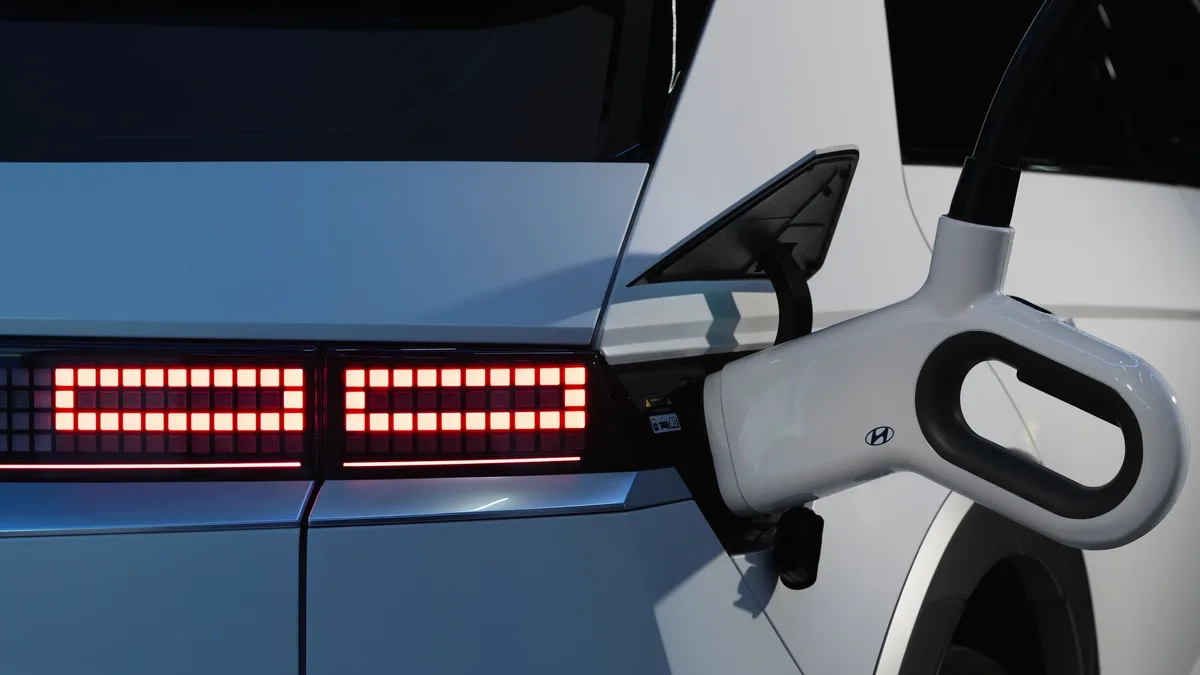
The shift in energy capacity is significant for China's electric vehicle boom. Sales of pure electric vehicles are rising. Sales of vehicles with engines are falling. Powering these cars with renewable energy is preferable to using fossil fuels. This is especially true with global oil prices spiking.
The transition also matters for climate change. China is the world's largest electricity market and current largest CO2 emitter. Its move toward cleaner energy could substantially reduce global emissions. Progress is being made. But the source report states the movement needs to be much faster.